2026: Energy Transition and Cross-Border Grid Construction New Growth Opportunities in the Central Asia and Middle East Cable Markets
Summary
Global energy transition, data center expansion, and industrial modernization are driving electricity demand to new highs — and with it, a fresh wave of power transmission infrastructure. In 2026, Central Asia and the Middle East stand out as two of the world’s most dynamic regions for energy infrastructure investment. For cable suppliers who move early, the window is wide open.
Central Asia: Grid Upgrades and Regional Interconnection
Countries across Central Asia — led by Kazakhstan, Uzbekistan, and Kyrgyzstan — are pushing forward aggressive grid modernization programs and accelerating cross-border interconnection projects.
A recent World Bank report highlights that electricity demand in Central Asia is set for sustained rapid growth in the coming years. In response, multiple countries are constructing new transmission corridors and regional power trading networks to strengthen energy security and expand renewable energy integration capacity.
This translates directly into demand for:
•Medium-voltage (MV) and high-voltage (HV) power cables
•Overhead transmission conductors
•Substation control and instrumentation cables
The Middle East: Renewables at Scale Require Transmission at Scale
At the same time, Gulf nations are deploying capital at an extraordinary pace into solar, wind, and energy storage megaprojects.
As Saudi Arabia and the UAE restructure their energy mix, demand for high-voltage (HV) and ultra-high-voltage (UHV) transmission networks has surged. The simultaneous expansion of large-scale renewable generation and cross-border grid interconnection is fueling rapid growth across multiple cable categories:
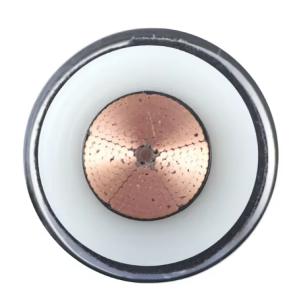
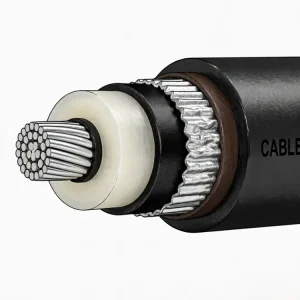
•Medium-to-high voltage XLPE power cables
•Optical Ground Wire (OPGW) for transmission line communication
•Cables specifically designed for battery energy storage systems (BESS)
•Industrial control and instrumentation cables
Where the Growth Will Come From: Product Outlook 2026–2029
Looking at the next three years, we see demand concentrating in three product categories:
Category Scope Growth Driver
Medium-to-High Voltage Power Cables (35 kV – 220 kV) XLPE-insulated, armoured and unarmoured, copper and aluminum conductors Grid expansion, substation interconnection, cross-border transmission
New Energy Ancillary Cables PV solar cables, wind power cables, energy storage system cables Utility-scale solar parks, wind farms, BESS deployments
Control & Instrumentation Cables Screened, armoured, LSZH options Industrial automation, substation monitoring, smart grid retrofits
What It Means for Cable Suppliers
For Chinese cable manufacturers, the competitive landscape has evolved. Price alone no longer decides the bid. Today’s project procurement weighs three additional factors equally:
1. Project Certification & Documentation
•Type test reports, IEC/GB compliance data sheets, material certificates — delivered fast and formatted for tender submission.
•Full technical documentation package within 24 hours.
2. Rapid Delivery Logistics
•Lead times, drum schedules, container planning. Projects in Central Asia and the Middle East penalize late delivery severely.
•Competitive EXW/FOB/CIF pricing with realistic lead times.
3. Localized Technical Support
•On-the-ground presence or accessible remote engineering support.
•Buyers want a supplier who speaks their technical language — literally and figuratively.
The suppliers positioned to win are those who can deliver full IEC-standard compliance plus the documentation package and project support that engineering procurement demands.
The Bottom Line
The trend in Central Asia and the Middle East is unmistakable: those who actively participate in upgrading energy infrastructure will capture the next wave of cable industry growth.
Whether your project is a 132 kV transmission link in Kazakhstan, a solar farm in Saudi Arabia, or a data center expansion in Dubai — having a cable partner who understands the technical requirements, holds the certifications, and delivers on time is no longer optional. It’s the difference between winning the tender and watching it go to someone else.